Well Pump Costs and Replacement
What Information Is Needed for a Pump Replacement Estimate?
The more a provider knows about your well system up front, the more accurate an estimate they can give — and the smoother the service goes. A well pump replacement depends on details you can gather before anyone drives out. This guide covers exactly what helps.
None of this requires special tools or expertise — most of it is observation and a little record-keeping. Spending a few minutes gathering the right information before you reach out often means a tighter estimate, fewer surprises on the day of service, and less chance of a return trip for something that could have been anticipated. Think of it as describing the patient clearly before the appointment.
The Symptoms and Their Timeline
Start with what's happening and when it started. No water at all, low pressure, the pump running constantly, a tripped breaker, sputtering faucets — each points in a different direction. Note when it began, whether it came on suddenly or gradually, and any recent events like a storm or power outage. A clear symptom timeline is one of the most useful things you can provide, and it helps a provider anticipate what the job may involve. Our well pump problems guides cover what different symptoms can mean.
System Details That Shape the Job
- Pump type — submersible (down the well) or jet (a visible pump above ground), if you know.
- Well depth and pump setting — from the well log or prior service records, if available.
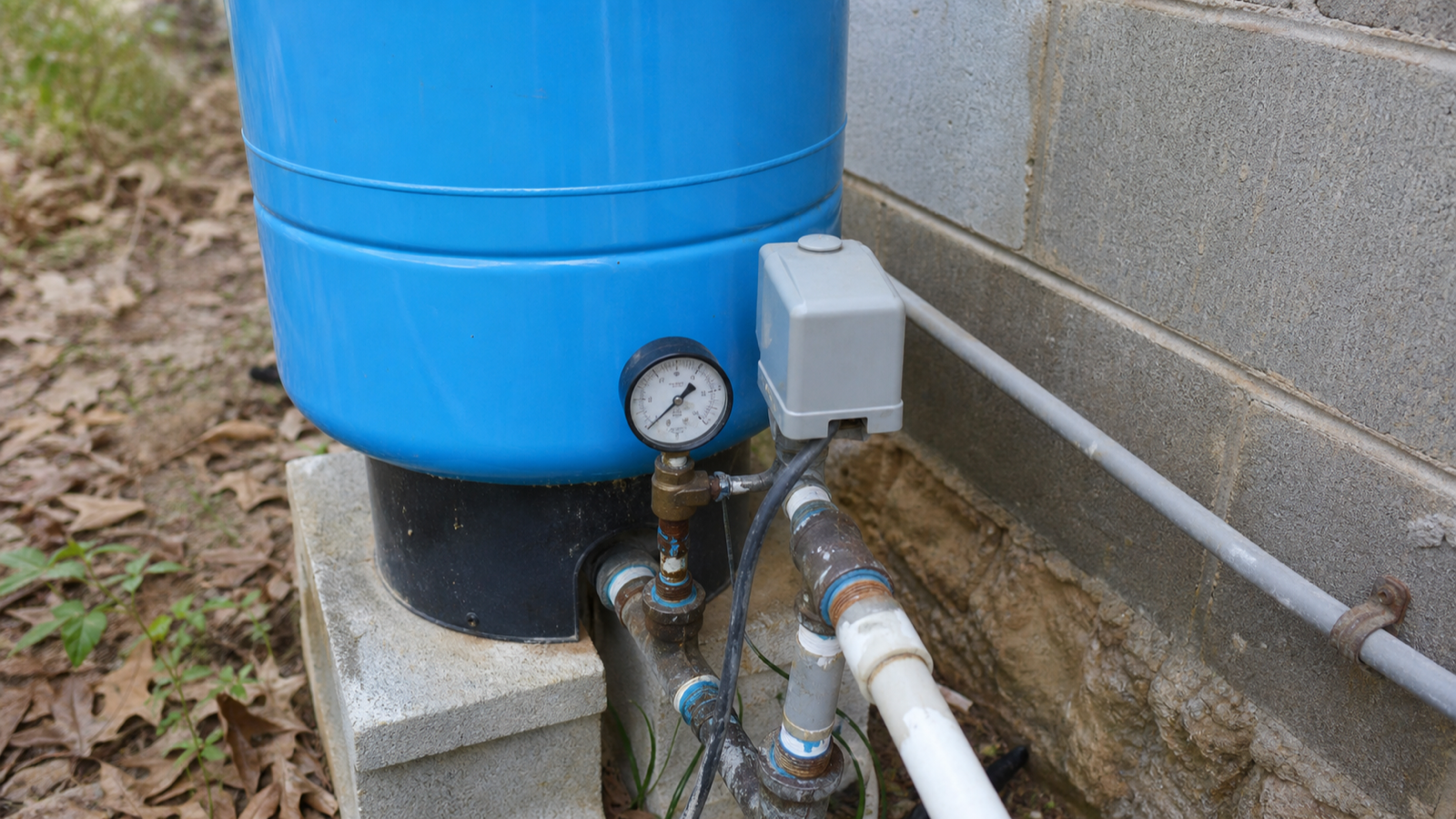
- Pressure tank and controls — the tank's location and the visible switch and gauge.
- Well head location and access — where the well is and how close equipment can get to it.
- System age — roughly how old the pump and tank are, if known.
Where to Find the Details You Don't Know
Many owners don't have this information memorized, and that's fine — much of it is recoverable. The original well log or driller's report, often filed with the state or tucked in closing paperwork from when the property was purchased, typically records the well's depth and the pump setting. Prior service invoices can note the pump type, its age, and what was last replaced. A tag at the well head or on the pressure tank sometimes lists model details. Even a rough answer — 'the pump is maybe fifteen years old' or 'there's a tank in the basement about waist-high' — is more useful than none. Gathering what you can find, and simply saying what you don't know, gives a provider an honest starting point.
Photos of the Visible Equipment
Photos let a provider see your system without a trip. Capture the well head, the pressure tank and its gauge and switch, any visible pump (for jet systems), and the access route to the well. Shoot in good light and include anything with labels or a well tag. Observation should stop at what's safely visible — never open electrical panels, control boxes, or sealed components to photograph them. Our guide on what photos to send before service covers this.
Put It Together in the Request
With the symptoms, system details, access notes, and photos, a provider can scope the job and give a grounded estimate — often without a wasted visit. The structured service-request form is built to collect these details. Because Tennessee well and pump work is regulated, also confirm the provider's applicable license. Describe the property well and request service, and the estimate conversation gets much shorter.
Related Well Pump Services
Upper Cumberland Well Pump is an independent referral service that helps connect property owners with local water-well and pump-service providers. Upper Cumberland Well Pump does not directly perform regulated well drilling, pump installation, pump repair or water-treatment work unless expressly stated. Provider licensing, qualifications, insurance, availability, pricing, scheduling and service terms must be confirmed directly with the provider.
Well Pump Costs and Replacement — Questions
What details help most for a pump replacement estimate?
A clear symptom timeline (what's wrong and when it started), the pump type, the well depth and pump setting if on record, the well head location and access, the pressure-tank condition, and photos of the visible equipment. Together these let a provider scope the job accurately, often without a wasted visit.
What if I don't know my well depth or pump type?
That's common — a provider can determine them, but sharing whatever records you have (well log, prior service) speeds things up. If there's no visible pump indoors and only a well head outside, it's likely submersible; a visible pump indoors is likely a jet pump. Photos help confirm.
What photos should I send?
The well head, the pressure tank with its gauge and switch, any visible pump, and the access route to the well — in good light, including any labels or tags. Never open electrical panels or sealed components to photograph them; capture only what's safely visible. See our guide on photos to send before service.
Do I need all this before requesting service?
No — provide what you can. Even the symptoms and a few photos help a provider prepare. More detail means a more accurate estimate and a smoother visit, but a provider can determine the rest on site. For an emergency no-water situation, request service promptly and share details as you're able.
Need Help With a Well Pump Problem?
Send the property location, a description of the problem, any recent changes in pressure or water flow, the location of the well head and several clear photographs of the visible system components for an initial service review.