Knowledge Center
Upper Cumberland Well Pump Knowledge Center
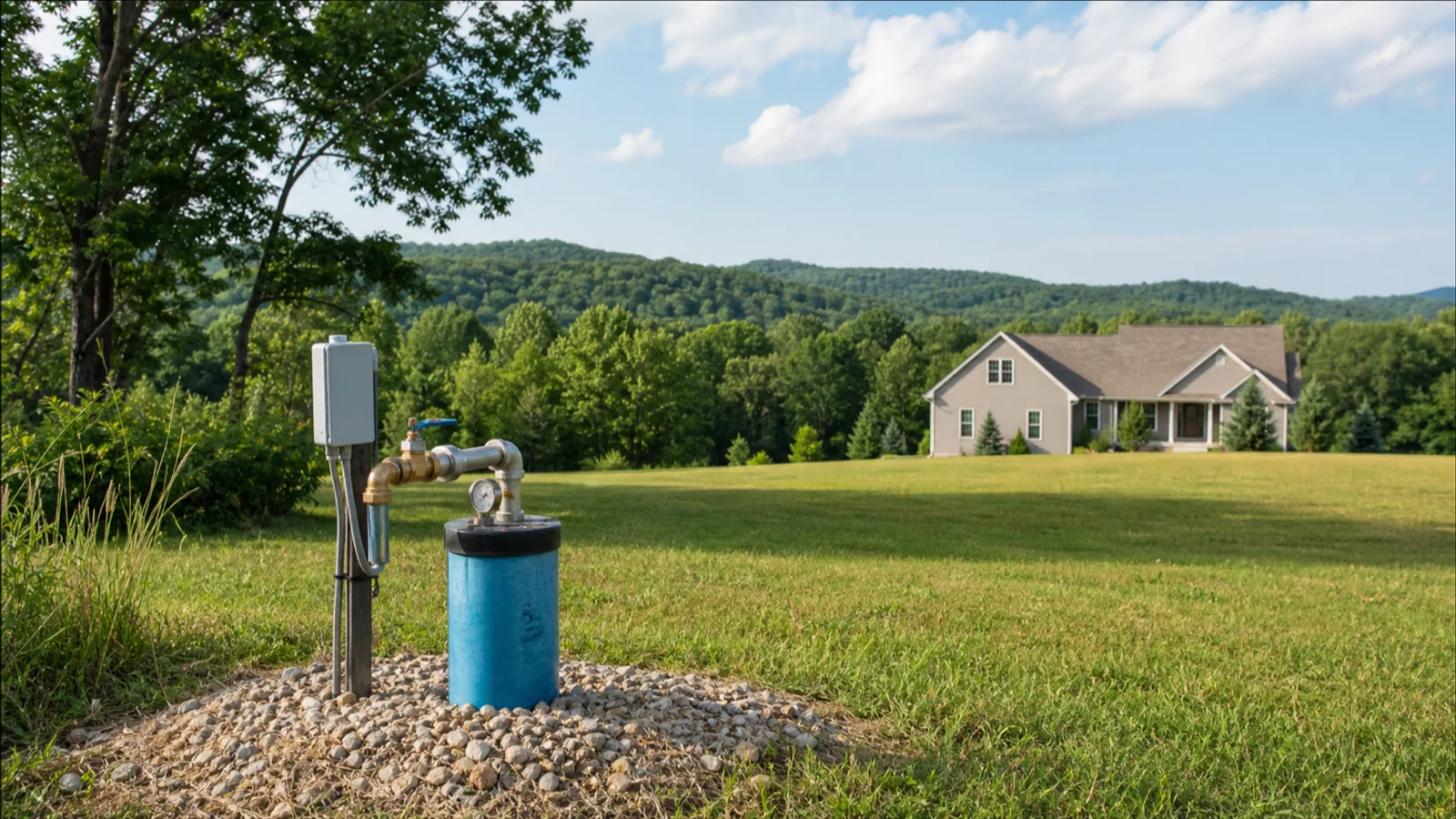
A private well system includes more than the pump itself. Pump type, well depth, available water, pressure-tank condition, electrical controls, piping, household demand and property access can all affect how a system performs and what may be required when something goes wrong.
Explore practical resources covering well pump repair and replacement, no-water problems, low pressure, system components, service preparation and private-well considerations for rural properties across Tennessee's Upper Cumberland region.
Explore Resource Topics
Understand Pump Costs
Learn which system conditions can affect well pump repair and replacement estimates, including pump type, well depth, access, wiring, pressure tanks, piping and the work required to retrieve the existing pump.
Well Pump Costs and ReplacementDiagnose Common Pump Problems
Explore possible causes of no water, constant running, short cycling, breaker trips, sputtering faucets and other symptoms that may require professional diagnosis.
Well Pump Problems and TroubleshootingEvaluate Water Pressure
Understand how pumps, pressure tanks, switches, well yield, plumbing demand and system configuration can affect water pressure and flow.
Water Pressure and FlowUnderstand Well-System Components
Learn what submersible pumps, jet pumps, pressure tanks, switches, control boxes, well caps, check valves and other components do.
Well Pump System ComponentsPlan Maintenance and Service
Learn what symptoms, photographs, property details and access information to gather before scheduling well pump service.
Maintenance and Service PlanningPlan Rural Well Projects
Explore well-pump considerations for rural homes, farms, cabins, new construction, long water lines and hard-to-access properties.
Rural Well and Pump ProjectsExplore Local Well Considerations
Learn about access, weather, terrain, power interruptions and rural property conditions that can affect private-well systems in Tennessee's Upper Cumberland region.
Upper Cumberland Private Well GuideStart Evaluating Your Well System
A useful evaluation starts with what you can safely observe: what the water is doing at the fixtures, when the change began, what the pressure gauge reads, whether the pump can be heard, and what the visible equipment looks like. You don't need to know the cause — documenting the symptoms accurately is the real preparation.
- Note the symptoms and when they started — sudden or gradual matters
- Photograph visible equipment: pressure tank, gauge, well cap
- Check only what is safe: breaker positions, gauge readings, sounds
- Gather any records — well logs, prior service, equipment labels
The common well problems guide walks through the symptom patterns in plain language, and the maintenance and planning hub covers what to prepare before requesting service. When something is clearly wrong now, start with well pump repair or the urgent no-water request instead.
Private-well systems and property conditions vary. These resources are general information, not a diagnosis — never open electrical panels, enter well pits or dismantle sealed system components.
Upper Cumberland Well Pump is an independent referral service that helps connect property owners with local water-well and pump-service providers. Upper Cumberland Well Pump does not directly perform regulated well drilling, pump installation, pump repair or water-treatment work unless expressly stated. Provider licensing, qualifications, insurance, availability, pricing, scheduling and service terms must be confirmed directly with the provider.
Need Help With a Well Pump Problem?
Send the property location, a description of the problem, any recent changes in pressure or water flow, the location of the well head and several clear photographs of the visible system components for an initial service review.