Water Pressure and Flow
What Causes Water Pressure to Surge?
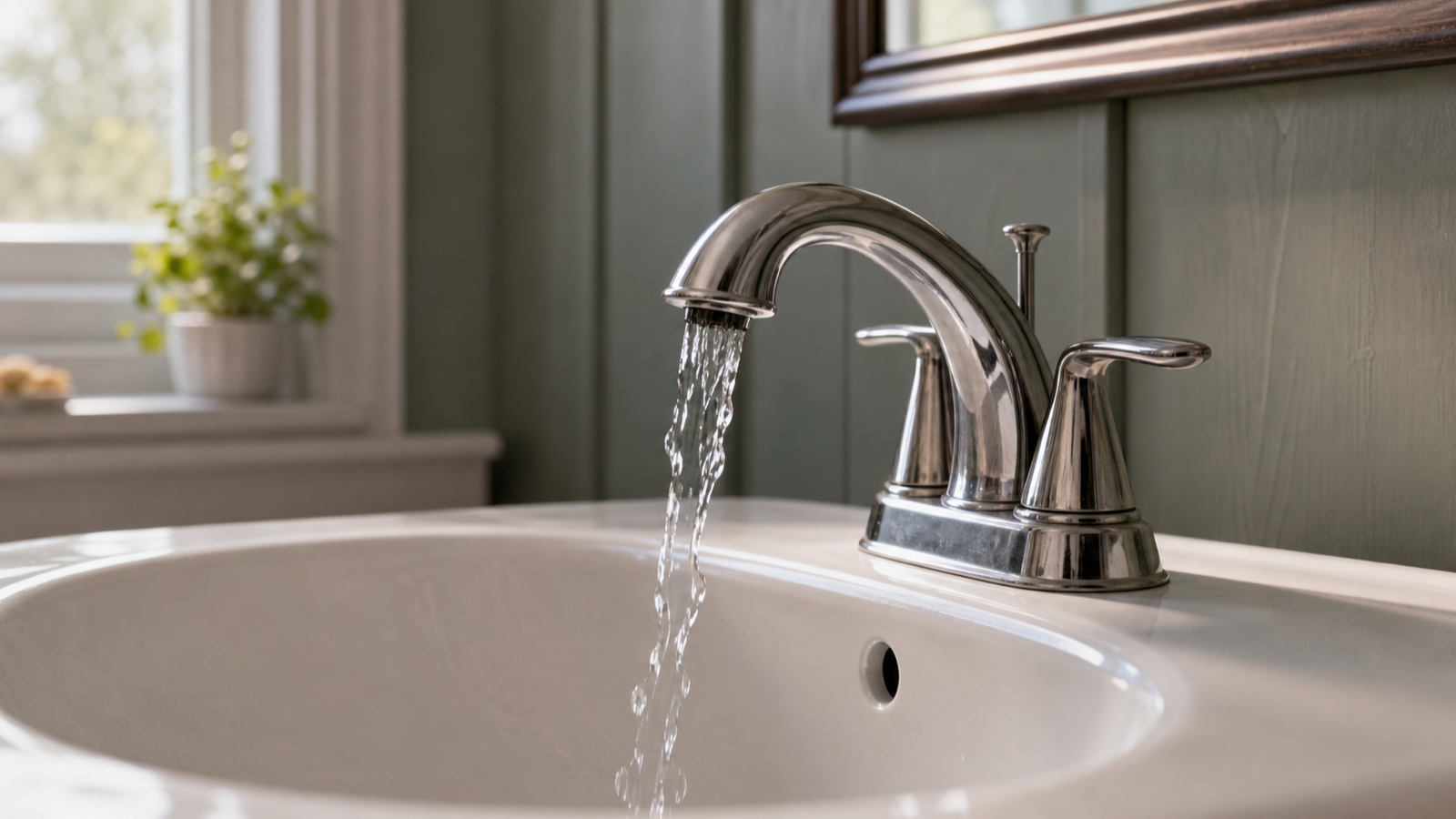
Surging water pressure, flow that pulses strong then weak in a rhythmic cycle, is a distinctive symptom on a well system. Unlike steady low pressure, surging usually points to something in the system that is supposed to smooth out flow but no longer is. The pattern itself is a useful clue.
This guide explains what surging looks like, the components most often behind it, and why it deserves attention rather than being ignored. As always on a well, the safe checks are limited to observation, and diagnosis belongs to a licensed provider.
What surging pressure feels like
Surging shows up as a repeating cycle: the water comes out strong, then fades, then strengthens again, often in time with the pump switching on and off. You might notice it most in the shower, where the change in flow is easy to feel, or hear the pump cycling frequently in the background. This rhythm is the key distinction from ordinary low pressure, which stays weak rather than pulsing.
The surging happens because something that should be storing and releasing water smoothly, normally the pressure tank, is no longer doing its job, so you feel the pump's on-off cycle directly at the tap.
The pressure tank is the usual suspect
The most common cause of surging is a pressure tank that has lost its air charge or has a failed bladder. When the tank cannot hold its air cushion, it becomes waterlogged and can no longer buffer flow between pump cycles. The result is that the pump switches on and off rapidly and you feel each cycle as a surge. A worn or misadjusted pressure switch can produce similar behavior.
You can often recognize this pattern by how quickly the surging repeats. When a healthy tank buffers the system, the pump may run for a stretch and then rest for a stretch. When the tank is waterlogged, that rhythm collapses into rapid pulses because there is almost no stored water to smooth the gap. Noticing how fast the cycle repeats is a useful detail to share with a provider.
Other possible causes
- A waterlogged pressure tank that has lost its air charge, the single most frequent reason for surging flow.
- A pressure switch that is sticking or set with too narrow a range, causing the pump to cycle more often than it should.
- Trapped air in the plumbing lines, which can enter the system when a well draws down and produce sputtering, uneven flow.
- A pump that is short-cycling because of a tank or switch problem, transmitting its on-off rhythm straight to your fixtures.
- A partially clogged foot valve or check valve that allows pressure to bleed back, disrupting the steady delivery of water.
Why surging should not be ignored
Beyond being annoying, surging often means the pump is cycling far more frequently than it was designed to, and that extra wear can shorten its life. Addressing the underlying cause, most often the tank, protects the pump and restores steady flow. You can safely observe the surging and note whether the pump seems to cycle rapidly, but you should not open the tank, switch, or any electrical component. A licensed provider can pinpoint the cause; our guide on how a pressure tank affects water pressure and our pressure tank replacement service explain the options.
Related Well Pump Services
Upper Cumberland Well Pump is an independent referral service that helps connect property owners with local water-well and pump-service providers. Upper Cumberland Well Pump does not directly perform regulated well drilling, pump installation, pump repair or water-treatment work unless expressly stated. Provider licensing, qualifications, insurance, availability, pricing, scheduling and service terms must be confirmed directly with the provider.
Water Pressure and Flow — Questions
Is surging pressure an emergency?
It is usually not an immediate emergency, but it should not be left unaddressed. Surging typically signals a failing tank or switch that is making the pump cycle excessively, and that ongoing wear can lead to a more costly pump problem over time.
Could air in my water cause surging?
Yes. Air entering the system, sometimes when a well is drawing down, can cause sputtering and uneven flow. If you also see cloudy or spitting water at the tap, mention that to your provider, since it helps narrow the cause.
Will a new pressure tank stop the surging?
If a waterlogged or failed tank is the cause, addressing it often restores steady flow. Because more than one component can produce surging, a provider should confirm the cause before any part is replaced so the right fix is made.
Need Help With a Well Pump Problem?
Send the property location, a description of the problem, any recent changes in pressure or water flow, the location of the well head and several clear photographs of the visible system components for an initial service review.