Water Pressure and Flow
When Low Pressure May Indicate a Pump Problem
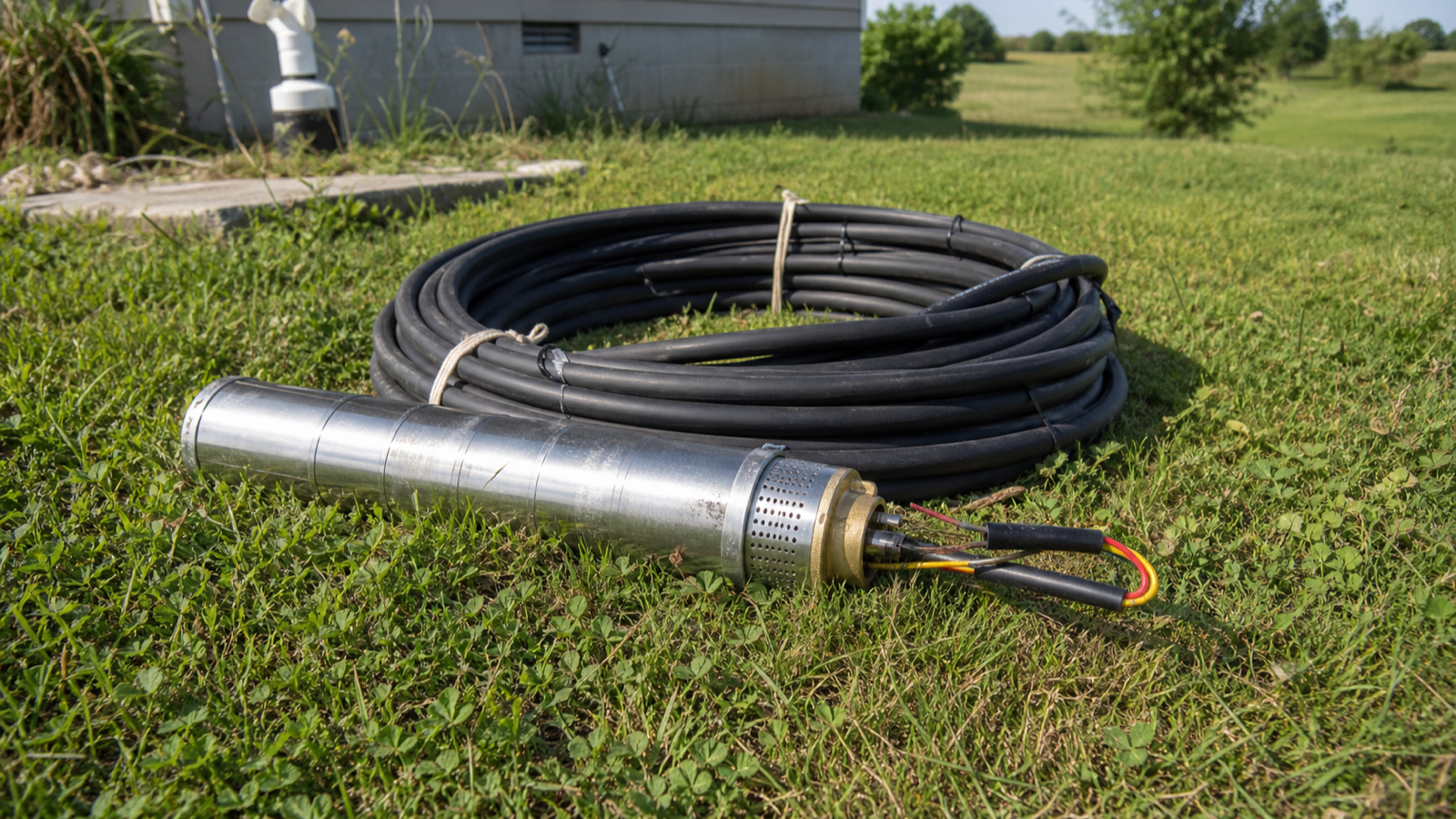
Low water pressure has many possible causes, and often the tank, plumbing, or a clogged filter is to blame. But some patterns point more directly at the pump itself. Because the pump is usually the most involved and important component to service, it helps to recognize the signs that suggest it may be struggling, so you can get the right help promptly.
This guide describes the low-pressure patterns that lean toward a pump problem, what safe observations you can make, and why pump diagnosis belongs to a licensed provider. The goal is to help you recognize when the pump deserves attention, not to attempt repairs yourself.
How a pump problem tends to show up
A pump that is wearing out often loses its ability to maintain pressure under load. You might notice pressure that starts adequate but fades during longer use, or a pump that runs for a long time without building the pressure it used to. In more advanced cases, pressure may be weak across the whole house even after the tank and plumbing have been ruled out. These patterns suggest the pump is no longer moving water as effectively as it should.
Age matters too. A pump that has served for many years and begins to deliver weaker pressure may simply be reaching the end of its useful life.
Ruling out the simpler causes first
Before concluding the pump is at fault, a provider will typically rule out the more common and less involved causes: a waterlogged pressure tank, a misadjusted or failing pressure switch, clogged filters, or restricted plumbing. Many low-pressure complaints turn out to be one of these rather than the pump. This is why a proper diagnosis matters; replacing a pump when the real issue is the tank solves nothing.
The reason to rule these out first is practical. The pump is usually the deepest, most involved, and most significant component to service, so it makes sense to eliminate the simpler explanations before reaching for it. A methodical process also protects you from paying to address a part that was never the problem, which is why a careful provider works through the system in order rather than assuming the worst.
Signs that lean toward the pump
- Whole-house low pressure that persists after the tank, switch, and filters have been checked by a provider.
- Pressure that fades during sustained use, as if the pump cannot keep up once it has been running.
- A pump that runs for long stretches without reaching its normal pressure range.
- Sputtering, air, or sediment in the water, which can accompany a pump drawing down a well or wearing internally.
- A gradual, whole-house decline in pressure over months on an older pump with no plumbing change to explain it.
Why the pump needs a provider
The pump is often located deep in the well and wired into the electrical system, so inspecting or servicing it is neither safe nor practical for a homeowner. You can safely note the symptoms, check a breaker once if the pump is not running, and observe the pressure gauge, but everything beyond that belongs to a professional. If the signs point to your pump, a licensed provider can confirm the diagnosis and advise on repair or replacement. Our well pump repair in Cookeville and well pump replacement services, along with our guide on reading pressure symptoms, can help you take the next step.
Related Well Pump Services
Upper Cumberland Well Pump is an independent referral service that helps connect property owners with local water-well and pump-service providers. Upper Cumberland Well Pump does not directly perform regulated well drilling, pump installation, pump repair or water-treatment work unless expressly stated. Provider licensing, qualifications, insurance, availability, pricing, scheduling and service terms must be confirmed directly with the provider.
Water Pressure and Flow — Questions
How can I tell if it is the pump or the tank?
You often cannot tell for certain on your own, since both can cause low or unsteady pressure. A tank problem tends to show as surging and rapid cycling, while a pump problem tends to show as pressure that fades under load, but a provider should confirm which it is before any part is replaced.
Can I check anything safely if I suspect the pump?
You can note the symptoms, observe the pressure gauge, and check the breaker once if the pump is not running. You should not open the well cap, control box, or any electrical enclosure, since the pump combines water and electricity and requires a professional to service safely.
Does a failing pump always need replacement?
Not always. Sometimes the issue is a related component such as the switch, tank, or wiring rather than the pump itself, and sometimes a repair suffices. A licensed provider can determine whether repair or replacement is the appropriate course after diagnosing the system.
Need Help With a Well Pump Problem?
Send the property location, a description of the problem, any recent changes in pressure or water flow, the location of the well head and several clear photographs of the visible system components for an initial service review.