Water Pressure and Flow
What Causes Low Water Pressure on a Private Well?
Low water pressure is one of the most common complaints on a private well, and it rarely points to a single cause. A well system is a chain of parts working together, and weak pressure at the tap can trace back to the pressure tank, the pump, the plumbing, or the well itself. Understanding the usual suspects helps you describe the problem clearly when you reach out to a professional.
This guide walks through the main categories of causes so you can recognize patterns in your own home. Because a well combines water and electricity, the goal here is understanding, not do-it-yourself repair. Anything involving the pump, wiring, or pressurized components should be left to a licensed provider.
Pressure tank and pressure switch issues
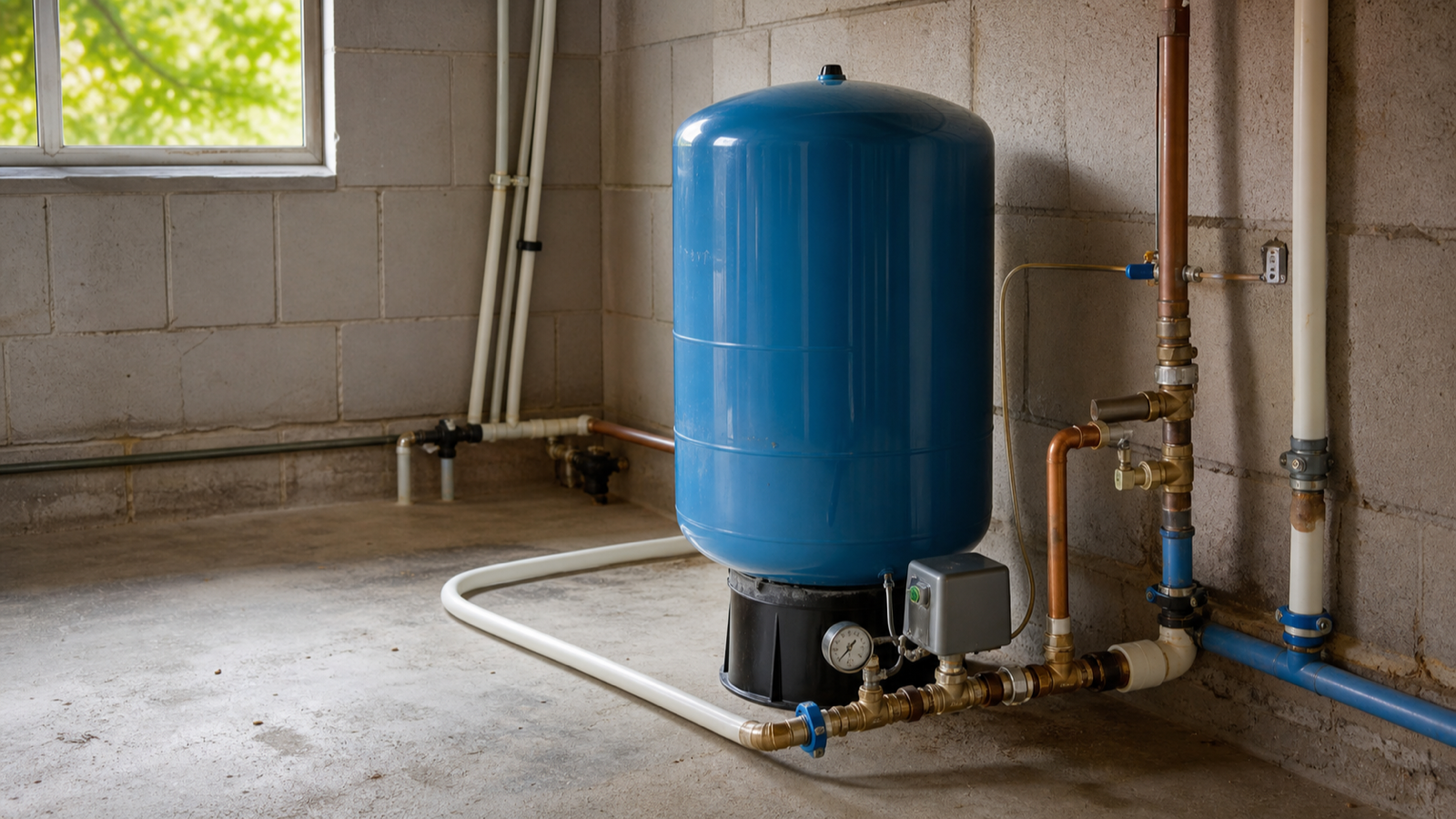
The pressure tank stores water under pressure so your pump does not have to run every time you open a tap. When the tank loses its air charge or its internal bladder fails, pressure can feel weak or inconsistent, and the pump may cycle on and off rapidly. A pressure switch that has drifted out of adjustment can also cause the system to run at a lower pressure than intended.
These components are frequent sources of pressure complaints because they wear over time. Diagnosing them safely involves working around electricity and pressurized water, so a qualified provider is the right person to confirm whether the tank or switch is the culprit.
Common sources of low pressure
- A waterlogged or failed pressure tank that no longer holds its proper air charge, causing pressure to sag between pump cycles.
- A pump that is wearing out or undersized for the home's demand, so it cannot maintain pressure when several fixtures run.
- Clogged or corroded plumbing, aerators, or a failing pressure-reducing valve that restricts flow before water reaches the tap.
- Sediment, iron, or mineral buildup in the well, screen, or filtration equipment that gradually chokes the flow of water.
- A drop in well yield, where the well itself simply cannot supply water as quickly as it once did during dry periods.
Plumbing and filtration restrictions
Sometimes the well and pump are fine, but something between them and your faucet is restricting flow. Aging galvanized pipe narrows with corrosion, whole-house filters clog when they are overdue for service, and water softeners or treatment systems can create bottlenecks if a component fails. These issues often develop slowly, so the pressure loss creeps up over months rather than appearing overnight.
A helpful clue here is whether the pressure loss is uniform or localized. If every fixture in the home is weak, the restriction is more likely in a shared line, filter, or treatment unit. If only certain fixtures suffer, the cause is probably closer to those fixtures. Sorting this out early keeps the eventual diagnosis focused and avoids replacing parts that were never the problem.
When the well or pump is the cause
If the tank, switch, and plumbing all check out, attention turns to the pump and the well. A pump losing efficiency, a dropping water table, or a well that is silting up can all reduce the water available to the system. These are the more involved diagnoses, and they typically call for equipment and expertise a homeowner does not have. If you suspect the pump, our guide on low pressure and a possible pump problem and a licensed provider through our low water pressure from a well service can help you take the next step.
Related Well Pump Services
Upper Cumberland Well Pump is an independent referral service that helps connect property owners with local water-well and pump-service providers. Upper Cumberland Well Pump does not directly perform regulated well drilling, pump installation, pump repair or water-treatment work unless expressly stated. Provider licensing, qualifications, insurance, availability, pricing, scheduling and service terms must be confirmed directly with the provider.
Water Pressure and Flow — Questions
Is low water pressure on a well always a serious problem?
Not necessarily. It can be as simple as a clogged aerator or a filter that needs service, or as involved as a failing pump. Because the causes range widely, having a qualified provider evaluate the system is the reliable way to know how serious it is.
Can I check anything myself safely?
You can safely note when the low pressure happens, whether it affects one fixture or the whole house, and observe the reading on your pressure gauge. Avoid opening the pressure tank, switch, well cap, or any electrical component, and leave those inspections to a professional.
Why did my pressure drop suddenly instead of gradually?
A sudden drop often points to a specific failure, such as a burst air charge in the tank, a tripped breaker, or a pump issue, while gradual loss usually suggests buildup or slow wear. A provider can distinguish between the two.
Need Help With a Well Pump Problem?
Send the property location, a description of the problem, any recent changes in pressure or water flow, the location of the well head and several clear photographs of the visible system components for an initial service review.