Maintenance and Service Planning
What Well-System Maintenance Should Homeowners Track?
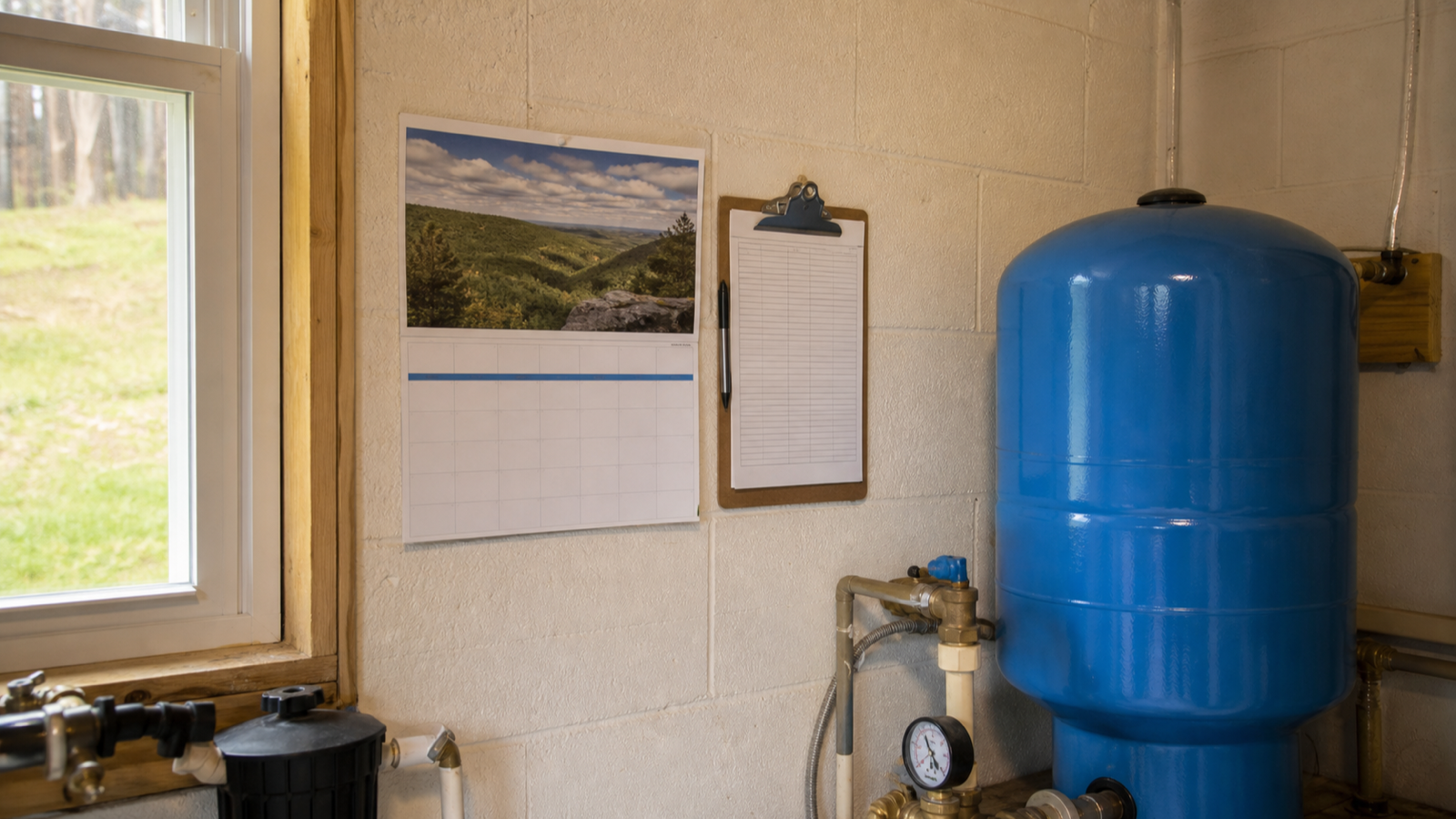
A private well quietly does its job most of the time, which is exactly why small changes can go unnoticed until they become big problems. Tracking a few simple observations over time helps you catch trends early, whether it is water quality drifting, pressure fading, or the pump running more often. You do not need special tools or training, just a habit of noticing and writing things down.
This guide outlines what is worth tracking, how often to look, and when a change should prompt a call to a licensed provider.
Why Tracking Beats Reacting
Most well problems give warning signs before they fail outright. Water that gradually tastes different, pressure that slowly weakens, or a pump that cycles more frequently are all clues. When you have a record, you can distinguish a genuine trend from a one-off oddity, and you can show a provider concrete history instead of vague impressions.
Tracking also supports smart timing. Knowing when components were last serviced or tested helps you plan inspections and avoid surprises, especially before selling a home or heading into a hard freeze.
What to Track Over Time
- Note any changes in water taste, smell, color, or clarity, and when you first noticed them, since these can signal quality or equipment issues.
- Record water pressure impressions, such as whether taps feel strong or weak and whether pressure fades during heavy use.
- Track how often the pump seems to run or cycle, noting any change from the usual rhythm you are accustomed to.
- Log the dates of any water tests, filter changes, or servicing, along with who performed them and what was found.
- Keep a record of any repairs or component replacements, including the pump, pressure tank, and any treatment equipment.
- Note seasonal patterns, like reduced flow in dry summers or issues that appear during freezing weather, to spot recurring problems.
How Often to Check
Some observations happen naturally as you use water every day, and simply staying alert to changes is enough. Others benefit from a schedule: periodic water testing, a look at the pressure gauge now and then, and a seasonal check before winter are all reasonable habits.
Many owners find that a quick monthly glance and a more thorough seasonal review strike the right balance. The exact rhythm matters less than consistency, since trends only appear when you record over time. A single missed reading is not a problem, but a habit of noting the same handful of things builds a picture no one-time check can match.
When a Change Should Prompt a Call
A sudden change in water quality, a steady drop in pressure, unusual pump behavior, or any sign of leaking or dampness around equipment are all worth a provider's attention. Your tracked history makes that conversation far more productive, because you can point to when and how the change began.
Scheduling a periodic well inspection is a good way to have a professional evaluate the system even when nothing seems wrong. Your records help the inspector focus on anything you have flagged.
Related Well Pump Services
Upper Cumberland Well Pump is an independent referral service that helps connect property owners with local water-well and pump-service providers. Upper Cumberland Well Pump does not directly perform regulated well drilling, pump installation, pump repair or water-treatment work unless expressly stated. Provider licensing, qualifications, insurance, availability, pricing, scheduling and service terms must be confirmed directly with the provider.
Maintenance and Service Planning — Questions
How often should I test my well water?
Periodic testing is a sound habit, and many owners test at least annually or when they notice a change in taste, smell, or clarity. Local guidance and your specific situation may call for more frequent testing, so a provider can advise on timing.
Do I need special equipment to track my well?
No. Most tracking is simple observation of water quality, pressure feel, and pump behavior, written down consistently. A pressure gauge reading now and then adds detail, but you never need to open or handle any component.
What is the most important thing to record?
Changes over time matter most. A single reading tells you little, but a record showing pressure slowly dropping or water gradually changing gives you and a provider the trend needed to act before a small issue becomes a failure.
Need Help With a Well Pump Problem?
Send the property location, a description of the problem, any recent changes in pressure or water flow, the location of the well head and several clear photographs of the visible system components for an initial service review.