Upper Cumberland Private Well Guide
Questions to Ask About an Existing Well System
Whether you are buying a property or getting better acquainted with a well you already own, the right questions reveal a great deal about an existing well system. A private well is a long-lived piece of infrastructure, and its history, age, and quirks all shape how it will serve you across the Upper Cumberland.
This guide lays out the questions worth asking, of a seller, of previous owners, or of a licensed provider during an inspection. The answers help you understand the system and plan ahead, though a professional assessment remains the best way to confirm actual condition.
Questions about the well itself
Start with the basics of the well. How deep is it, when was it drilled, and is there a well log on file? Depth and construction tell you a lot about a well drilled into the plateau's limestone and sandstone. It is also worth asking whether the well has ever run low or been affected by drought or heavy rain, since yield can vary across the region's karst geology.
Ask about the water itself too. Has it been tested, and if so, what did the results show? Has the taste, smell, or clarity ever changed, particularly after storms? These answers help you understand both the quantity and the quality of what the well delivers.
Questions about the pump and equipment
Move on to the mechanical parts. How old are the pump and pressure tank, and have they been replaced or repaired? Pumps and tanks wear over time, so knowing their age helps you anticipate future service. Ask whether the system has had recurring issues such as pressure problems, short cycling, or loss of water, since a pattern of repairs can signal an underlying condition.
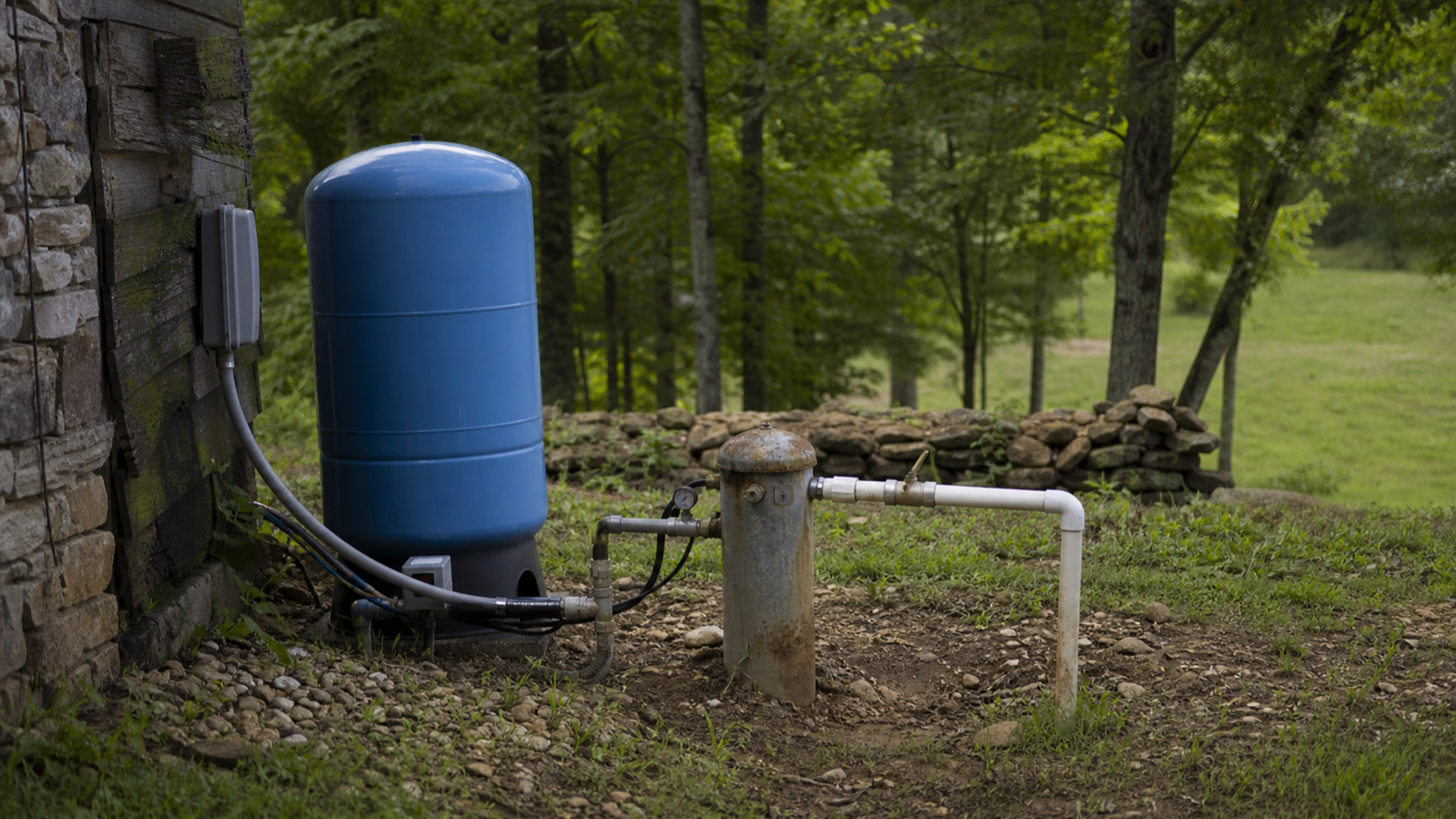
It also helps to know where everything is located and how it is wired. Understanding where the well head, pressure tank, and main shutoff sit makes future service and emergencies easier to handle, even though the hands-on work belongs to a provider.
Key questions to work through
- How deep is the well, when was it drilled, and is a well log available that documents its construction?
- How old are the pump and pressure tank, and what repairs or replacements has the system had?
- Has the water been tested, and has its taste, smell, or clarity ever changed after storms or over time?
- Has the well ever run low, and how does the system handle periods of drought or heavy household use?
- Where are the well head, pressure tank, and main shutoff located, and how easy is the well to access for service?
Turning answers into a plan
Once you have gathered answers, gaps in the information become as telling as the answers themselves. Missing records, an unknown pump age, or a history of recurring problems all point toward getting a professional inspection before relying on the system, especially for a property you are about to buy.
A licensed provider can verify condition, assess the pump and tank, and give you a realistic picture of near-term needs. You can learn more on our well inspection page or connect with a provider through our request service page. Our guide on records that should transfer with a property covers the paperwork side in more detail.
Related Well Pump Services
Upper Cumberland Well Pump is an independent referral service that helps connect property owners with local water-well and pump-service providers. Upper Cumberland Well Pump does not directly perform regulated well drilling, pump installation, pump repair or water-treatment work unless expressly stated. Provider licensing, qualifications, insurance, availability, pricing, scheduling and service terms must be confirmed directly with the provider.
Upper Cumberland Private Well Guide — Questions
What is the single most useful question about an existing well?
There is no single question, but the well's depth and age, the age of the pump and tank, and the history of repairs together reveal the most. Water testing results and any history of the well running low are close behind. Missing answers are themselves a signal that a professional inspection is warranted.
What if the seller has no records for the well?
Missing records are common but do warrant caution, since you lose the history that would tell you the well's depth, the equipment's age, and any pattern of problems. In that situation, a professional well inspection becomes especially valuable to establish the system's actual condition. Factor the uncertainty into your decision.
How can I tell if a well has had recurring problems?
Ask directly about past pressure problems, short cycling, loss of water, and repeat repairs, and look for a pattern rather than a single fix. A history of recurring issues can signal an underlying condition that may resurface. A licensed provider can assess whether the root cause appears to have been resolved.
Do I need an inspection if the answers sound good?
Even encouraging answers benefit from confirmation, because condition can differ from what records and recollection suggest. A professional inspection verifies the pump and tank and gives a realistic picture of near-term needs. It is a sound step for any property purchase and a useful periodic check for current owners.
Need Help With a Well Pump Problem?
Send the property location, a description of the problem, any recent changes in pressure or water flow, the location of the well head and several clear photographs of the visible system components for an initial service review.