Upper Cumberland Private Well Guide
Evaluating a Private Well Before Buying Rural Tennessee Property
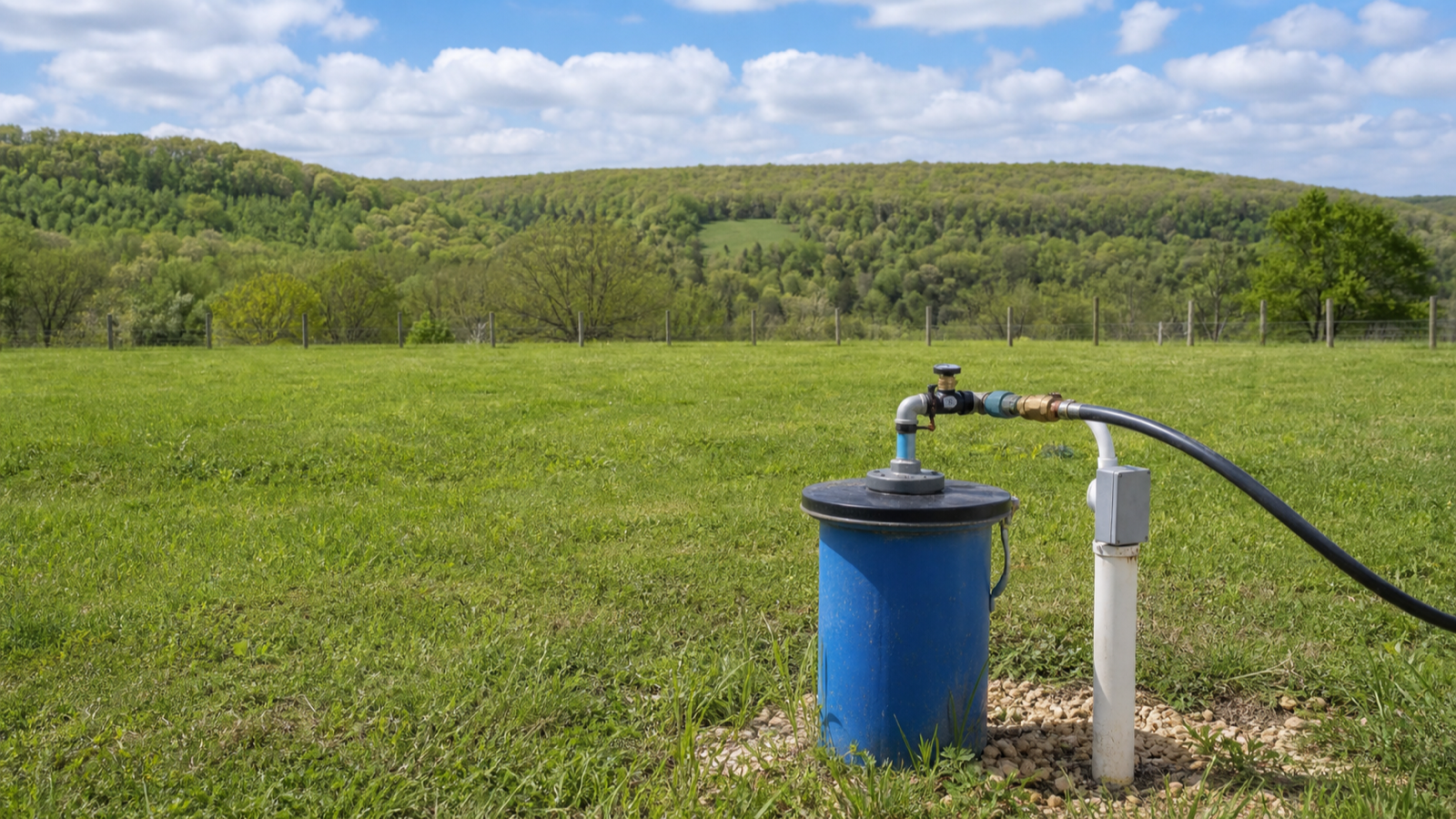
Buying rural property in the Upper Cumberland often means taking on a private well along with the house and land. Unlike a city water hookup, a well is a system you will own and maintain, so it deserves a close look before you commit. A little due diligence during the buying process can prevent unwelcome surprises after closing.
This guide outlines what to evaluate about a private well when considering property around Cookeville, Sparta, Livingston, or elsewhere in the region. It is meant to help you ask good questions and arrange the right inspections, not to substitute for a licensed provider's professional assessment.
Start with the well's history and records
Ask the seller for any documentation about the well: when it was drilled, how deep it is, the type and age of the pump, and any records of repairs or water testing. In Tennessee, drilled wells often have a well log on file that describes the depth and construction, which can tell you a great deal about what you are inheriting.
The age of the pump and pressure tank matters, because these components wear over time. A well and pump that are decades old are not necessarily bad, but they do warrant closer inspection and a realistic expectation that service may be needed sooner. Records also reveal whether the system has a history of recurring problems.
Understand water quantity and quality
Two separate questions matter: does the well produce enough water, and is that water safe and pleasant to use? In the karst geology of the Upper Cumberland, yield and quality can vary sharply from property to property, and surface water can sometimes influence a well after heavy rain. Water testing before purchase is a prudent step for any private well.
Consider how the household you plan to run compares with how the property has been used. A well that served a weekend cabin may face very different demands as a full-time family home with more bathrooms and appliances. Yield that was adequate for light use may need evaluation before heavier use.
What to have evaluated before closing
- The pump's condition and age, along with the pressure tank and pressure switch, assessed by a licensed provider rather than by visual guess.
- Water quality through appropriate testing, especially for a well in karst terrain where quality can change after storms.
- The well's apparent yield and whether it can reasonably support your intended household size and usage.
- The physical access to the well head, since steep or wooded lots and long driveways can make future service more involved.
- The condition of the well cap, wiring, and any well house, noting whether the system appears well maintained or neglected.
Bringing in a professional inspection
A dedicated well inspection is one of the most useful investments during a rural purchase. A licensed provider can assess the pump, tank, and overall system, and flag issues a standard home inspection may not cover in depth. This gives you a clearer picture of what you are buying and any near-term needs.
You can learn more on our well inspection page, or use our request service page to arrange an assessment. If the property is near Cookeville, Crossville, or Livingston, our local repair pages can also help you understand the kind of support available in the area after you move in.
Related Well Pump Services
Upper Cumberland Well Pump is an independent referral service that helps connect property owners with local water-well and pump-service providers. Upper Cumberland Well Pump does not directly perform regulated well drilling, pump installation, pump repair or water-treatment work unless expressly stated. Provider licensing, qualifications, insurance, availability, pricing, scheduling and service terms must be confirmed directly with the provider.
Upper Cumberland Private Well Guide — Questions
What records should I ask the seller for?
Request the well log showing depth and construction, the age and type of the pump and pressure tank, and any records of repairs and water tests. This history tells you what you are inheriting and whether the system has recurring problems. If records are missing, factor that uncertainty into your evaluation and inspection.
Should I test the water before buying rural property?
Yes. Water testing is a prudent step for any private well, and it is especially important in the Upper Cumberland's karst geology, where quality can vary by property and shift after heavy rain. Testing tells you whether the water is safe and pleasant to use before you commit. A provider can advise on appropriate tests.
How do I know if the well produces enough water for my household?
Consider how you intend to use the property compared with how the seller used it, since a well that served a weekend cabin may face heavier demand as a full-time home. Yield varies widely across the region's geology. A licensed provider can help evaluate whether the well can reasonably support your intended usage.
Is a well inspection worth it before closing?
A dedicated well inspection is one of the most useful steps in a rural purchase, because it assesses the pump, tank, and overall system in more depth than a standard home inspection typically does. It can flag near-term needs and help you avoid surprises after closing. It gives you a clearer picture of what you are actually buying.
Need Help With a Well Pump Problem?
Send the property location, a description of the problem, any recent changes in pressure or water flow, the location of the well head and several clear photographs of the visible system components for an initial service review.