Maintenance and Service Planning
Questions to Ask Before Buying a Home With a Private Well
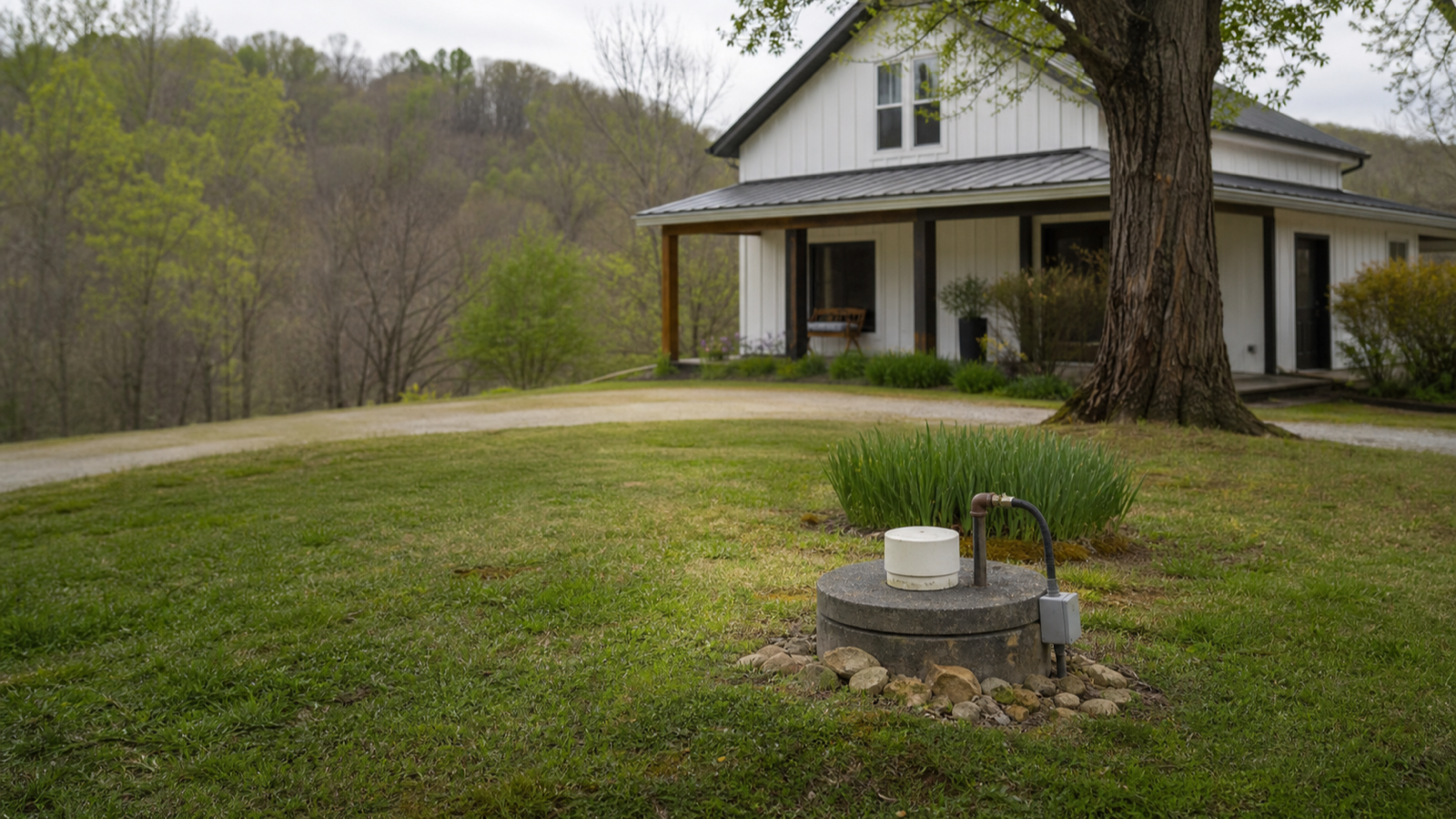
Buying a home with a private well means taking on responsibility for your own water supply, which is very different from being connected to a municipal system. There is no utility to call if something goes wrong, so it pays to understand the well before you close rather than after. The right questions early can reveal whether the system is well maintained or hiding costly surprises, and they help you plan for ongoing care.
This guide covers the questions worth asking a seller, agent, and inspector so you go in with clear eyes.
Why Wells Deserve Extra Attention
A private well quietly delivers water most of the time, which can make it easy to overlook during a home purchase. Yet the well, pump, pressure tank, and any treatment equipment all age and eventually need service. Because these components are hidden and expensive to replace, understanding their condition and history is a key part of due diligence.
Water quality is equally important. Unlike municipal supplies, a private well is not routinely tested by a utility, so the responsibility for safe drinking water rests with the owner. Asking the right questions protects both your wallet and your household's health.
Questions Worth Asking
- Ask how old the well is and, if known, its depth, casing type, and the kind of pump the system uses.
- Ask when the pump, pressure tank, and any treatment equipment were last serviced or replaced, and by whom.
- Ask for any well records, drilling logs, water test results, and service invoices the seller can provide.
- Ask when the water was last tested, what it was tested for, and whether any treatment or filtration is in place and why.
- Ask whether the household has ever experienced low pressure, no water, cloudy water, or recurring problems.
- Ask where the well head is located, whether it is shared with any neighboring property, and how access is maintained.
Getting an Independent Look
Seller answers are a starting point, but an independent evaluation gives you objective information. A dedicated well inspection can assess the pump, pressure tank, water flow, and overall condition, and water testing can confirm quality. These are separate from a standard home inspection, which often does not cover the well system in depth.
Arranging your own assessment before closing means you learn about any issues while you still have room to negotiate or plan, rather than discovering them once the home is yours. Because the well is entirely your responsibility as the owner, the cost of an inspection up front is small compared with facing an unknown system after you move in.
Planning for Ownership
If you move forward, gather every record you can from the seller and start your own file. Knowing the well's age, the pump type, past service, and water history sets you up to maintain the system well and to respond quickly if a problem arises.
Consider scheduling a well inspection as part of your purchase process so you begin ownership with a clear baseline. Going in informed is the best way to avoid unwelcome surprises after you have the keys.
Related Well Pump Services
Upper Cumberland Well Pump is an independent referral service that helps connect property owners with local water-well and pump-service providers. Upper Cumberland Well Pump does not directly perform regulated well drilling, pump installation, pump repair or water-treatment work unless expressly stated. Provider licensing, qualifications, insurance, availability, pricing, scheduling and service terms must be confirmed directly with the provider.
Maintenance and Service Planning — Questions
Does a standard home inspection cover the well?
Often not in depth. A general home inspection may note the presence of a well but usually does not thoroughly assess the pump, pressure tank, flow, and water quality. A dedicated well inspection and water testing give a much fuller picture before you buy.
What records should I ask the seller for?
Ask for the drilling log, any water test results, and service or repair invoices for the pump, pressure tank, and treatment equipment. These reveal the system's age, history, and any recurring issues, and they become the foundation of your own records after purchase.
Should I test the water before closing?
Testing before closing is a wise step, since a private well's quality is the owner's responsibility and is not routinely checked by a utility. Learning of any concerns beforehand gives you room to plan or negotiate rather than facing surprises later.
What if the seller has no well records at all?
It is common, particularly with older homes, but it makes an independent inspection and water test even more valuable. Without history, an on-site evaluation is your best way to understand the system's condition before you commit.
Need Help With a Well Pump Problem?
Send the property location, a description of the problem, any recent changes in pressure or water flow, the location of the well head and several clear photographs of the visible system components for an initial service review.