Well Pump System Components
What Is the Purpose of a Well Cap or Seal?
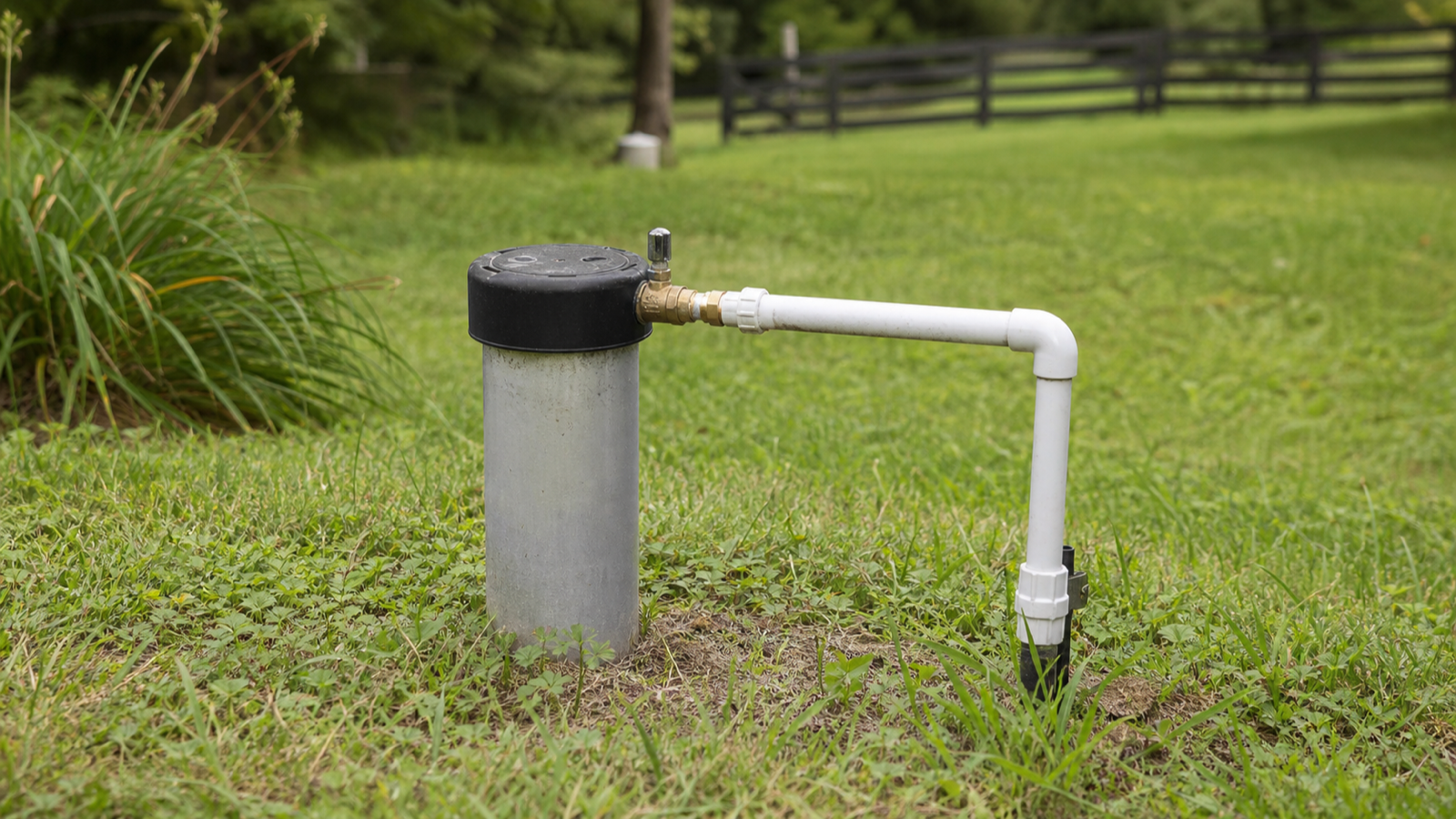
The well cap is the part of your well system you are most likely to see: the cover on top of the casing pipe sticking up from the ground. It looks simple, but it is your well's first line of defense against contamination. A well cap or sanitary seal keeps the water below safe from what is happening at the surface.
For homeowners in the Upper Cumberland region, a secure, intact well cap is one of the easiest things to visually check and one of the most important for protecting water quality. Here is what it does and why it should always stay sealed.
What the well cap protects against
The top of the well casing is an open pathway straight down to your water supply. Without a proper cap, insects, small animals, leaves, dust, rainwater runoff, and other surface contaminants could fall or crawl directly into the well. The cap seals that opening while still allowing the system to function.
A well cap typically includes a gasket that seals against the casing and a screened vent that lets the well breathe as water levels rise and fall, without letting pests in. This combination keeps contaminants out while preventing pressure differences inside the casing.
Cap versus sanitary seal
The terms well cap and well seal are sometimes used interchangeably, but there can be a distinction. A standard well cap sits on top of the casing and bolts down over it. A sanitary well seal, sometimes used in different casing configurations, fits inside the top of the casing and expands to seal against the inside walls.
Both serve the same core purpose of keeping surface contamination out while allowing the wiring and piping to pass through cleanly. The right type depends on your casing and how the well was constructed, which a provider can confirm during an inspection.
Signs a well cap needs attention
- A cracked, loose, or missing cap leaves the well open to insects, debris, and surface water and should be addressed promptly by a provider.
- A damaged or missing vent screen can let insects into the casing, which is a common and avoidable contamination pathway.
- Gaps or a deteriorated gasket where the cap meets the casing can allow runoff and pests to enter around the seal.
- Signs of tampering or an improperly seated cap after service can compromise the seal and should be checked.
- Wiring that passes through a worn or broken entry point on the cap can create both a contamination gap and an electrical safety concern.
Why you should not open the well cap
It can be tempting to lift the cap to look inside, but the wiring for the pump passes through it, and removing it exposes both live electrical connections and the open well. Opening the cap also breaks the sanitary seal and can introduce contamination into your water. This is why inspecting under the cap is a provider task.
If your cap looks cracked, loose, or damaged, or if you have never had the wellhead checked, a licensed provider can inspect and service it safely without compromising your water. A routine well inspection is the right way to have the cap and seal evaluated.
Related Well Pump Services
Upper Cumberland Well Pump is an independent referral service that helps connect property owners with local water-well and pump-service providers. Upper Cumberland Well Pump does not directly perform regulated well drilling, pump installation, pump repair or water-treatment work unless expressly stated. Provider licensing, qualifications, insurance, availability, pricing, scheduling and service terms must be confirmed directly with the provider.
Well Pump System Components — Questions
Can I take the well cap off to look inside my well?
It is not recommended. The pump wiring passes through the cap, so removing it exposes live electrical connections and breaks the sanitary seal, which can let contamination into your water. Leave inspection under the cap to a licensed provider.
Why does a well cap have a vent?
The screened vent lets air move in and out of the casing as the water level rises and falls, which prevents pressure differences, while the screen keeps insects out. A damaged vent screen can become an entry point for pests, so it should be kept intact.
How do I know if my well cap is still sealing properly?
Look for cracks, looseness, a missing or damaged vent screen, or gaps where the cap meets the casing. Any of these warrant having a provider inspect the cap, since a compromised seal can affect your water quality.
Need Help With a Well Pump Problem?
Send the property location, a description of the problem, any recent changes in pressure or water flow, the location of the well head and several clear photographs of the visible system components for an initial service review.