Rural Well and Pump Projects
Evaluating an Older Well System on Rural Property
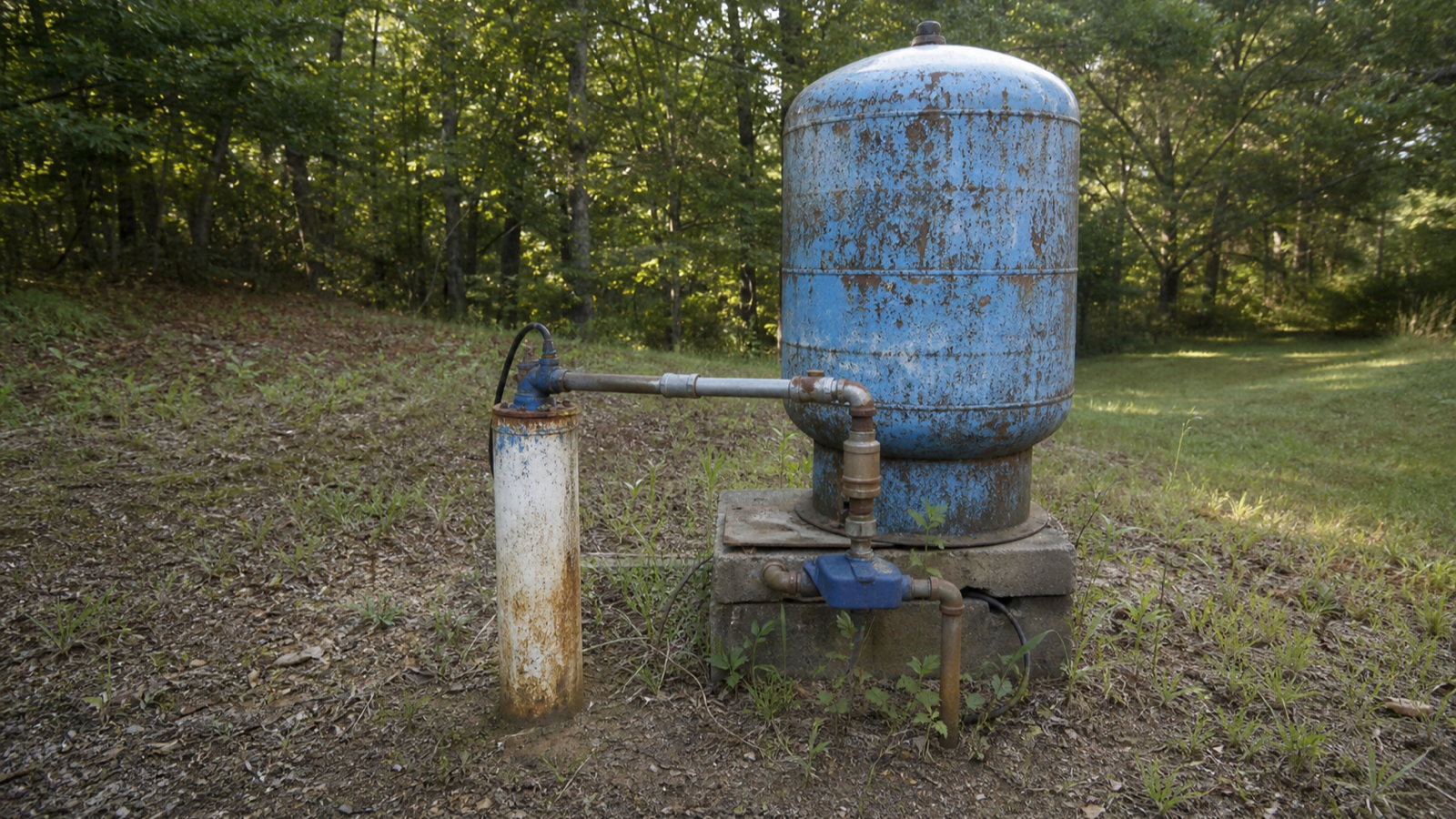
Many rural properties come with a well and pump that have been in service for years, sometimes decades. Whether you have inherited an older system with a property or your long-serving equipment is showing its age, evaluating its condition helps you understand what you are relying on and plan ahead rather than waiting for a failure.
This guide covers what you can reasonably observe yourself and what belongs to a qualified provider, so you can assess an older system sensibly and safely.
Signs an Older System Is Showing Age
Older systems often give hints before they fail outright. Declining or fluctuating water pressure, a pump that seems to run more often or for longer than it used to, sputtering or air at the taps, or changes in water clarity, taste or smell can all point to equipment or a well that is aging. Noticing these patterns is valuable information for planning.
None of these signs, on their own, proves a specific problem, but together they build a picture. Keeping track of how the system behaves over time helps you and a provider distinguish normal variation from a developing issue.
What You Can Safely Observe
As an owner, you can safely note plenty without touching anything hazardous. Watch how pressure behaves throughout the day, listen for a pump that cycles on and off rapidly, look for damp spots or corrosion around visible fittings, and pay attention to any change in water quality. These observations are the useful, safe part of a homeowner evaluation.
What you should not do is open the well cap, the pressure tank, control boxes or any electrical or pressurized component. These carry real hazards and belong to a qualified provider. Your role is observation; the hands-on assessment is theirs.
What to Note When Evaluating
- The approximate age of the well and pump if known, since equipment has a finite service life and older components carry more risk of failure.
- Any decline or fluctuation in water pressure, or a pump that appears to run more frequently or longer than before.
- Changes in water clarity, taste or odor, or sputtering and air at the taps, which can signal well or equipment issues.
- Visible corrosion, damp spots or worn fittings around the wellhead and pressure tank, observed without opening anything.
- Any history you can gather about past service, repairs or the well's original construction, which helps a provider assess it.
When to Bring in a Provider
For anything beyond observation, a professional evaluation is the right step. A qualified provider can safely assess the pump, pressure system and well, test performance, and advise whether the system is sound, needs attention or is nearing the end of its service life. This is especially worthwhile on a newly inherited property, where the system's history may be unknown.
A well inspection gives you a clear baseline and helps you plan rather than react. You can arrange one through /well-inspection/, or if the system is already giving trouble, request service at /request-service/.
Related Well Pump Services
Upper Cumberland Well Pump is an independent referral service that helps connect property owners with local water-well and pump-service providers. Upper Cumberland Well Pump does not directly perform regulated well drilling, pump installation, pump repair or water-treatment work unless expressly stated. Provider licensing, qualifications, insurance, availability, pricing, scheduling and service terms must be confirmed directly with the provider.
Rural Well and Pump Projects — Questions
How do I know if an older well system is about to fail?
There is rarely a single warning, but patterns help: declining or fluctuating pressure, a pump running more often or longer, sputtering at the taps, or changes in water quality can all signal an aging system. Tracking these over time builds a picture. A qualified provider can assess the equipment and advise whether it is sound or nearing the end of its life.
What can I safely check myself on an old well?
You can safely observe how pressure behaves, listen for rapid pump cycling, look for corrosion or damp spots around visible fittings, and note any change in water quality. What you should not do is open the well cap, pressure tank, control boxes or any electrical or pressurized part, as these carry real hazards. Leave hands-on assessment to a provider.
I just bought a rural property with an old well. What should I do?
A professional evaluation is a sensible first step, especially since the system's history and condition may be unknown. A provider can assess the pump, pressure system and well and tell you whether it is sound or needs attention, giving you a baseline for planning. A well inspection is a good way to start.
Is it worth inspecting a well that seems to be working fine?
Often yes, particularly on an older or newly inherited system. An inspection can catch developing wear before it becomes a failure, and it gives you a clear picture of what you are relying on. Planning from knowledge is easier than reacting to an unexpected loss of water.
Need Help With a Well Pump Problem?
Send the property location, a description of the problem, any recent changes in pressure or water flow, the location of the well head and several clear photographs of the visible system components for an initial service review.