Rural Well and Pump Projects
What to Know Before Buying Undeveloped Land With a Well
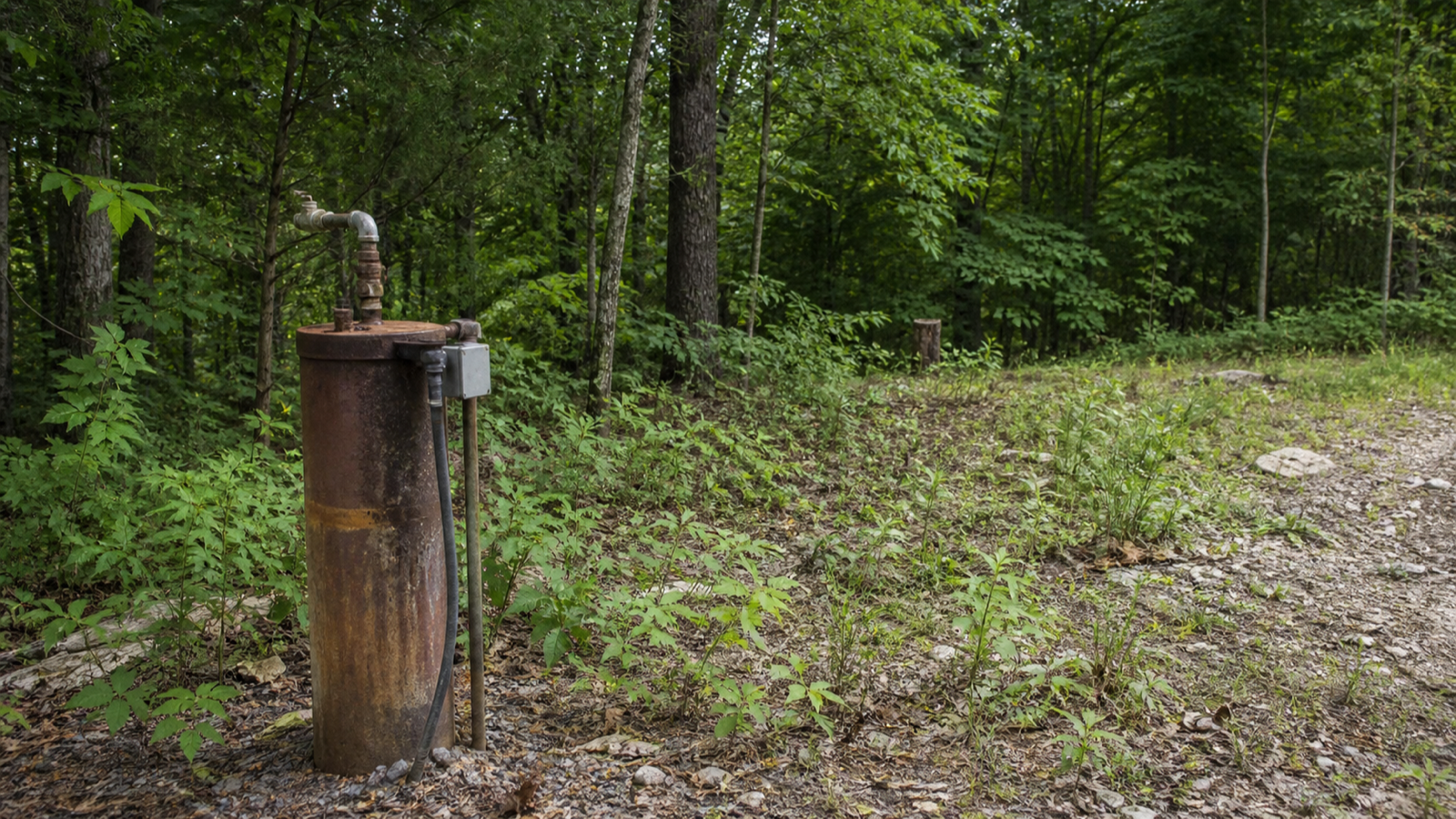
Undeveloped land with an existing well can be appealing, offering a head start on the water infrastructure a rural build requires. But an existing well is not automatically a working, adequate water source, and the difference matters enormously when you are planning to build. Across the Upper Cumberland, plenty of parcels carry old or unknown wells whose real condition takes some investigation to understand.
This guide covers the water questions worth answering before you buy undeveloped land with a well, so you know what you are actually getting.
An Existing Well Is Not a Guarantee
The presence of a well casing does not, by itself, mean you have a usable water supply. An old well may have low yield, poor water quality, a failed or missing pump, or construction that no longer meets current standards. Some wells on undeveloped parcels have sat unused for years, and their true condition is unknown until someone qualified evaluates them.
Treating an existing well as a promising starting point rather than a finished water source keeps your expectations realistic. The goal before buying is to learn enough to plan and budget for whatever the well actually needs.
Yield and Water Quality Are Central
Two questions matter most: how much water the well produces and whether that water is fit for use. Yield determines whether the well can support a household, and on the Cumberland Plateau yield varies considerably from one spot to another. Water quality determines whether treatment will be needed. Both are best assessed by qualified professionals rather than assumed from the well's mere existence.
If the existing well proves inadequate, you may face drilling a new one, which a licensed well driller handles. Knowing this possibility before buying lets you factor it into your decision rather than discovering it afterward.
Questions to Answer Before Buying
- The well's yield, meaning how much water it reliably produces, since this determines whether it can support your intended use.
- Water quality, so you know whether treatment may be needed for the water to be usable in a home.
- The condition and presence of the pump and pressure equipment, which may be aged, failed or absent on a long-idle well.
- The well's age, depth and construction history, and whether it meets current standards, which a qualified provider can help assess.
- The well's location relative to where you would build, since a poorly placed well may complicate the home site or require a new one.
Getting an Informed Assessment
The most reliable way to understand what you are buying is a professional evaluation of the well before you close, where feasible. A qualified provider can assess condition and equipment, and testing can address yield and water quality. This turns guesswork into information you can act on, and may inform your negotiation or your build plans.
If the well needs work or replacement, understanding that early is far better than after purchase. You can arrange a well inspection through /well-inspection/, and read about drilling a new well, if it comes to that, at /water-well-drilling/.
Related Well Pump Services
Upper Cumberland Well Pump is an independent referral service that helps connect property owners with local water-well and pump-service providers. Upper Cumberland Well Pump does not directly perform regulated well drilling, pump installation, pump repair or water-treatment work unless expressly stated. Provider licensing, qualifications, insurance, availability, pricing, scheduling and service terms must be confirmed directly with the provider.
Rural Well and Pump Projects — Questions
Does an existing well mean the land has usable water?
Not necessarily. A well casing on the property does not guarantee adequate yield, good water quality or working equipment, and an old or long-idle well may need significant work or even replacement. Treating it as a promising starting point rather than a finished source, and having it evaluated, keeps your expectations realistic before you buy.
What are the most important things to check on a well before buying land?
Yield and water quality are central, since they determine whether the well can support a household and whether treatment is needed. The condition of the pump and pressure equipment, the well's age and construction, and its location relative to your build site also matter. Qualified professionals can assess these before you close.
Can I have a well inspected before I buy the property?
Where feasible, yes, and it is a sensible step. A professional evaluation before closing can assess the well's condition and equipment, and testing can address yield and quality, turning guesswork into information you can act on. This may inform your negotiation or your build plans.
What if the existing well turns out to be inadequate?
Then you may need to drill a new well, which a licensed well driller handles, or invest in treatment or new equipment depending on the issue. Learning this before you buy lets you factor it into your decision and budget rather than discovering it afterward. Assessing the well early is the way to avoid that surprise.
Need Help With a Well Pump Problem?
Send the property location, a description of the problem, any recent changes in pressure or water flow, the location of the well head and several clear photographs of the visible system components for an initial service review.