Upper Cumberland Private Well Guide
When Rural Property Access Can Affect Pump Service
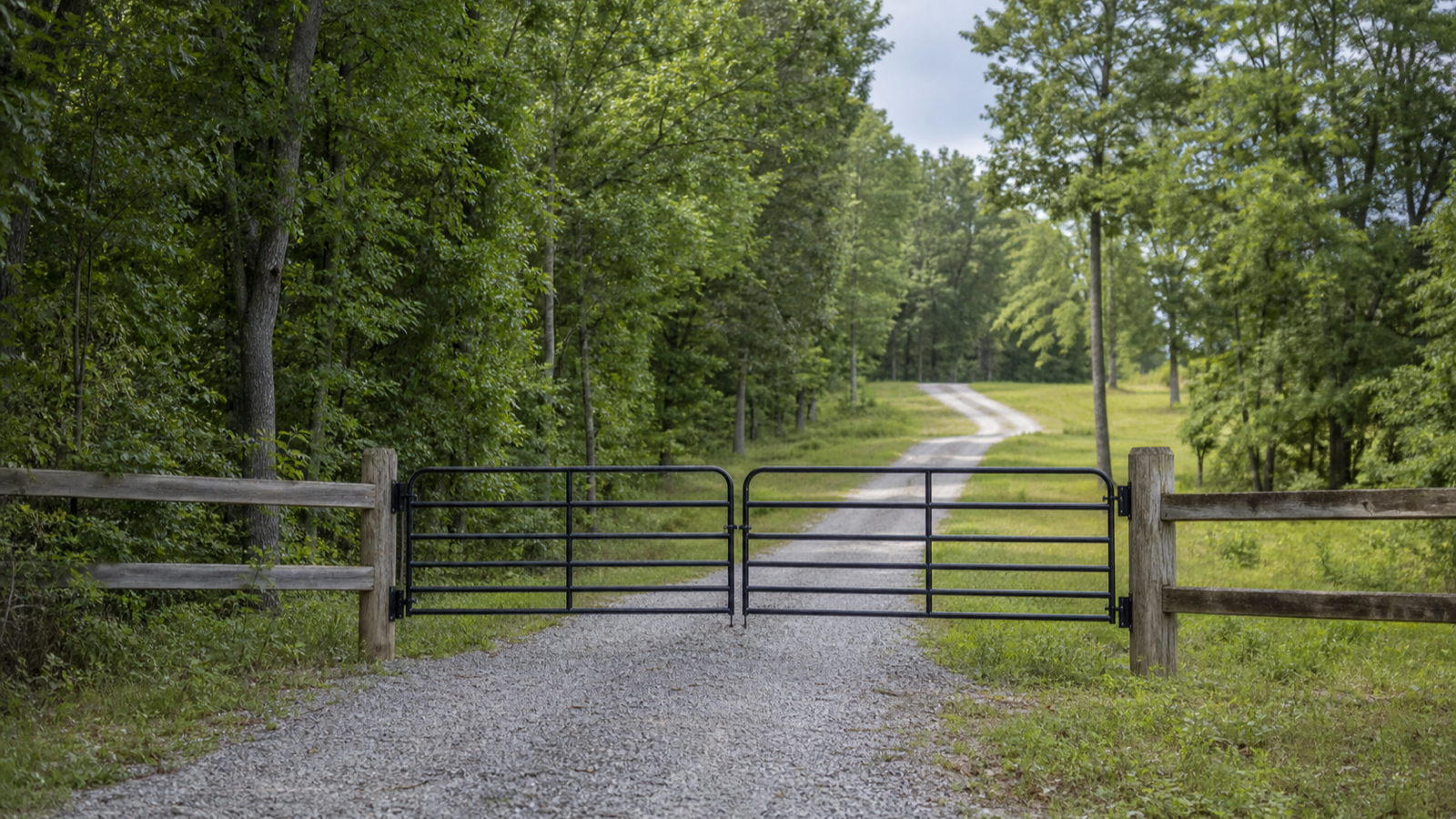
Across the rural Upper Cumberland, how easily a service provider can reach your well can matter as much as the repair itself. Gravel driveways, gates, remote locations, seasonal roads, and the region's weather all influence whether equipment can get to the well head and how a visit unfolds. Understanding these access factors helps you plan.
This guide looks at the access issues that commonly affect pump service in the region and what owners can do to smooth the way. The work belongs to a licensed provider; your role is to prepare the site and communicate clearly about how to reach it.
Access factors that affect service
Servicing a deep well often calls for a truck with a hoist to reach the well head. Long gravel driveways, sharp turns, steep grades, low tree limbs, gates, and cattle guards can all affect whether that equipment can get in. Around the plateau and Highland Rim, many properties combine several of these at once, so access is a genuine part of the job rather than an afterthought.
Remoteness matters too. A property far from the nearest service hub, or one reached by a shared or seasonal road, can take longer to reach and may need more scheduling flexibility. Knowing these realities about your own property helps set expectations for any service visit.
How weather changes access
Weather can turn an easy driveway into a difficult one. Heavy plateau rain can soften gravel and create ruts, while winter ice storms can make steep grades impassable for heavy equipment. Because a pump problem does not wait for good weather, access that is fine in dry conditions may become the limiting factor during a storm.
This is one reason planned maintenance in favorable conditions is valuable for hard-to-reach properties. Addressing a system during a dry spell is far simpler than trying to get equipment up an icy grade during an emergency in the middle of winter.
Steps to smooth access for a service visit
- Describe your driveway and approach when you request service, including length, grade, surface, sharp turns, and any low limbs or narrow spots.
- Make sure gates are unlocked or arrange to open them, and note any cattle guards, cables, or barriers a truck must pass.
- Clear the route and the well head area of vehicles, equipment, and stored items so a provider has room to work.
- Mention recent weather and current road conditions, since a soft or icy drive can determine what equipment is safe to bring.
- Point out the well head location and any hazards, such as septic components or buried lines, so the provider can plan the approach.
Planning ahead for difficult access
If your property is remote or hard to reach, planning is your best tool. Building a relationship with a local provider before an emergency, scheduling maintenance in good weather, and keeping the access route clear all reduce the chance that access becomes the obstacle when you most need water restored.
Clear communication makes the biggest difference. When you describe your property accurately, a provider can bring the right equipment and allow enough time. You can start on our request service page or review the towns we cover on our service area page, and our guide on steep or hard-to-access property offers additional detail.
Related Well Pump Services
Upper Cumberland Well Pump is an independent referral service that helps connect property owners with local water-well and pump-service providers. Upper Cumberland Well Pump does not directly perform regulated well drilling, pump installation, pump repair or water-treatment work unless expressly stated. Provider licensing, qualifications, insurance, availability, pricing, scheduling and service terms must be confirmed directly with the provider.
Upper Cumberland Private Well Guide — Questions
Why does property access matter for pump service?
Servicing a deep well often requires a truck with a hoist to reach the well head, and long gravel driveways, steep grades, gates, and low limbs can all affect whether that equipment can get in. On many Upper Cumberland properties several of these factors combine. Describing your access clearly lets a provider arrive prepared with the right equipment.
Can weather really prevent well service?
It can. Heavy rain can soften gravel driveways into ruts, and winter ice storms can make steep grades impassable for heavy equipment. Since a pump problem does not wait for good weather, access can become the limiting factor during a storm. This is why planned maintenance in favorable conditions is valuable for hard-to-reach properties.
What should I tell a provider about my access?
Describe the driveway length, grade, surface, sharp turns, narrow spots, and any low limbs, and note gates, cattle guards, or other barriers. Mention recent weather and current road conditions, and point out the well head location and any hazards like septic components or buried lines. The more detail you provide, the more productive the visit.
How can I avoid access problems in an emergency?
Plan ahead by building a relationship with a local provider before you need one, scheduling maintenance during good weather, and keeping the access route and well head area clear. These steps reduce the chance that access becomes the obstacle when water needs to be restored quickly. Clear, accurate communication about your property is the single most helpful step.
Need Help With a Well Pump Problem?
Send the property location, a description of the problem, any recent changes in pressure or water flow, the location of the well head and several clear photographs of the visible system components for an initial service review.