Upper Cumberland Private Well Guide
Preparing a Rural Well System for Freezing Weather
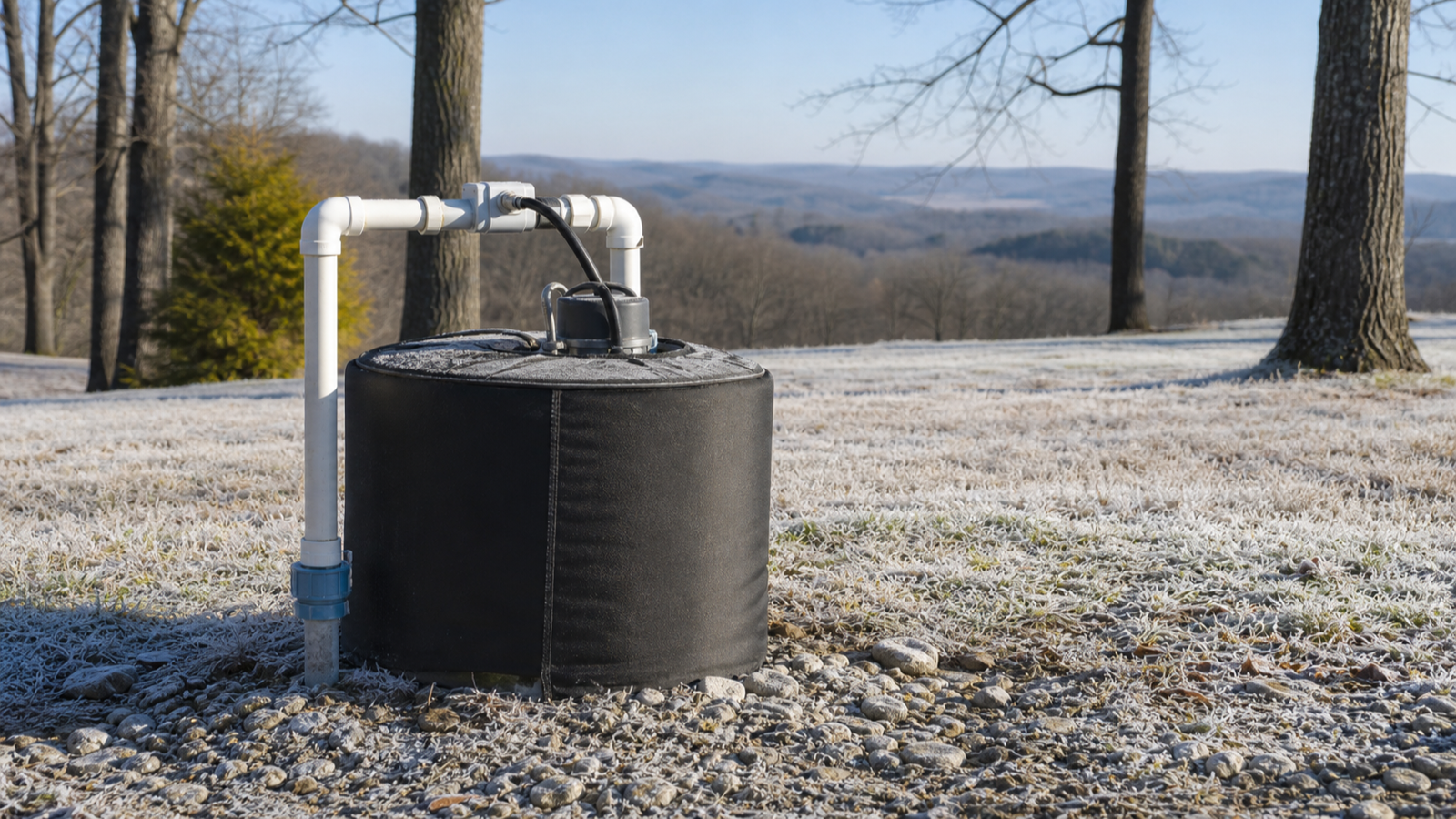
Winters in the Upper Cumberland are real. Hard freezes, cold snaps, and occasional ice storms sweep across the plateau and Highland Rim most years, and they can put stress on any part of a well system that is exposed to the cold. A little preparation ahead of the first deep freeze can save a lot of trouble.
This guide covers how freezing weather affects rural well systems around towns like Crossville, Monterey, and Jamestown, and the safe, practical steps an owner can take. Anything that involves opening the well cap, pressure tank, or electrical components should be left to a licensed provider.
Where freezing causes trouble
Cold rarely reaches the pump itself, which sits deep in the well below the frost line. The vulnerable spots are the parts near or above ground: exposed pipes, the pressure tank if it sits in an unheated space, well houses, hydrants, and any plumbing running through a crawl space, garage, or outbuilding. On the higher elevations around Monterey and the plateau, temperatures can run colder than nearby valleys, so exposure varies by property.
When water freezes in a pipe it expands, which can crack the pipe or fittings. The damage often is not obvious until the thaw, when a split line begins to leak. That is why prevention matters more than reaction with freezing weather.
Safe steps an owner can take
- Insulate exposed pipes and any above-ground plumbing with proper pipe insulation before the first hard freeze, paying attention to crawl spaces and unheated outbuildings.
- If your pressure tank or plumbing sits in a well house or unheated space, make sure the enclosure is weathertight and consider a safe, provider-approved heat source rather than improvising.
- During an extreme cold snap, letting a faucet drip slightly can keep water moving and reduce freeze risk in vulnerable lines.
- Keep the well head area clear of snow drifts and standing water, and make sure any well house door or vent closes properly.
- Know where your main water shutoff is so you can stop the flow quickly if a pipe does split during a thaw.
During and after an ice storm
Ice storms in the Upper Cumberland frequently bring down limbs and power lines, and a power outage stops an electric well pump. If the power goes out, you will have only the water already stored in the pressure tank, so it helps to fill some containers early when a major storm is forecast.
After a freeze, watch for signs of a hidden problem: no water, low pressure, or the sound of water running when no taps are open, which can indicate a burst line. If you suspect freeze damage, shut off the water and contact a licensed provider rather than attempting repairs on frozen or pressurized components.
Planning ahead for seasonal and remote properties
Cabins and seasonal homes near Dale Hollow, Center Hill, and Cordell Hull lakes carry extra freeze risk because no one is present to notice a problem. If a property will sit empty through winter, some owners arrange for the system to be properly winterized by a provider, which is safer than leaving vulnerable plumbing to chance.
A pre-winter inspection is a practical step. A qualified provider can check for exposed weak points and advise on protection specific to your property. You can start on our request service page, and if you own a seasonal place, our guide on cabins and seasonal homes covers related planning.
Related Well Pump Services
Upper Cumberland Well Pump is an independent referral service that helps connect property owners with local water-well and pump-service providers. Upper Cumberland Well Pump does not directly perform regulated well drilling, pump installation, pump repair or water-treatment work unless expressly stated. Provider licensing, qualifications, insurance, availability, pricing, scheduling and service terms must be confirmed directly with the provider.
Upper Cumberland Private Well Guide — Questions
Can my well pump freeze?
The submersible pump itself sits deep below the frost line and rarely freezes. The real risk is to above-ground and near-surface parts: exposed pipes, pressure tanks in unheated spaces, hydrants, and well houses. Focusing your winter preparation on those exposed points addresses most freeze problems.
What should I do if my pipes freeze during a cold snap?
Do not apply open flame or attempt to thaw pressurized or electrical components yourself. Shut off the water at the main if you suspect a split line, and contact a licensed provider. Preventing the freeze in the first place, through insulation and letting a faucet drip in extreme cold, is far easier than dealing with a burst pipe.
How do I protect a well system at a seasonal cabin over winter?
If a property will be empty through the cold months, having a provider properly winterize the system is the safest approach, since exposed plumbing can freeze with no one present to catch it. Keeping any well house weathertight and heated as advised also helps. A pre-winter inspection can identify the specific vulnerabilities on your property.
Will I have water during a winter power outage?
An electric well pump stops when the power goes out, so you will only have the water already held in your pressure tank. Because Upper Cumberland ice storms often cause outages, it helps to store some water ahead of a major storm. A provider can discuss backup power options if outages are a recurring concern.
Need Help With a Well Pump Problem?
Send the property location, a description of the problem, any recent changes in pressure or water flow, the location of the well head and several clear photographs of the visible system components for an initial service review.